Along The Fog Belt: Coastal Foraging on the Oregon Shores
Navigating hemlock groves, crashing surf, and foraged forest kitchens at the edge of the Pacific continent.
Contents of this Dispatch
1. Where the Old-Growth Meets the Breakers
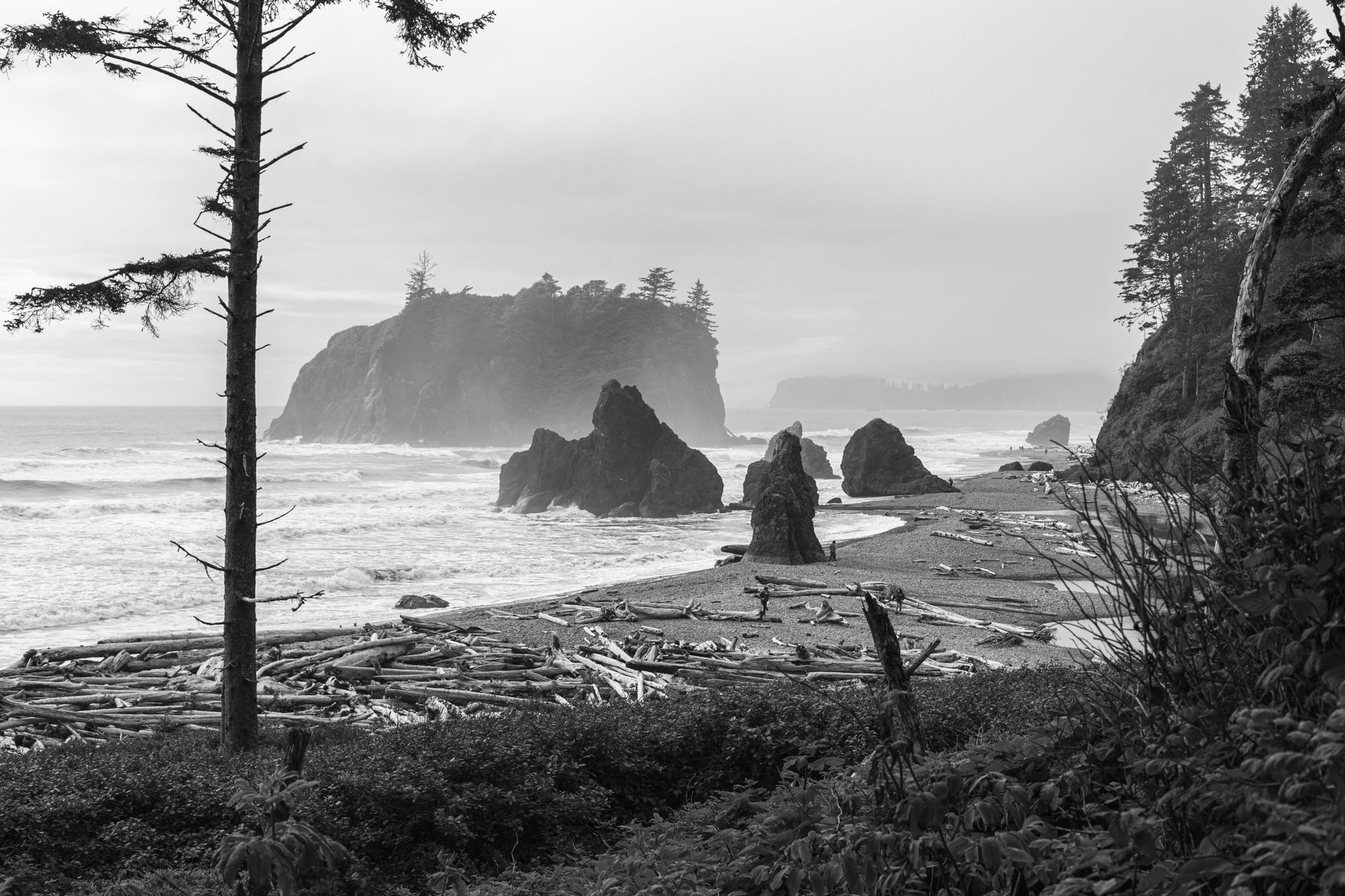
The Pacific Northwest coast of the United States does not cater to sunbathers. Instead, it offers an untamed grandeur defined by towering Sitka spruce trees draped in Usnea lichens, jagged basalt sea stacks rising from pounding breakers, and maritime fog that can envelop headlands in mere minutes.
2. Chanterelles, Sea Beans, and Tide Pools
In autumn, when the rains begin to soak the coastal loam, the forest floor erupts in edible fungi. Golden chanterelles, hedgehogs, and king boletes appear beneath the cedar canopies. Along the estuaries where rivers meet the ocean, foragers harvest salty sea beans (salicornia), bull kelp fronds, and wild sea purslane.
“The wild coast teaches that true flavor does not come from a greenhouse, but from cold currents, ancient rot, and tidal rhythms.”
3. Modern Coastal Kitchens & Indigenous Heritage
A new wave of independent chefs along towns like Cannon Beach, Manzanita, and Yachats are honoring indigenous maritime knowledge. Menus here are built around dungeness crab caught hours prior, cedar-planked king salmon roasted over open alder fires, and wild berry compotes made from native salal and evergreen huckleberries.
4. Route Planning Through the Mist
We recommend a five-day slow traverse along US Highway 101, packing durable waterproof wool, staying in restored 1940s motor lodges, and dedicating mornings to quiet beachcombing before the wind picks up.